



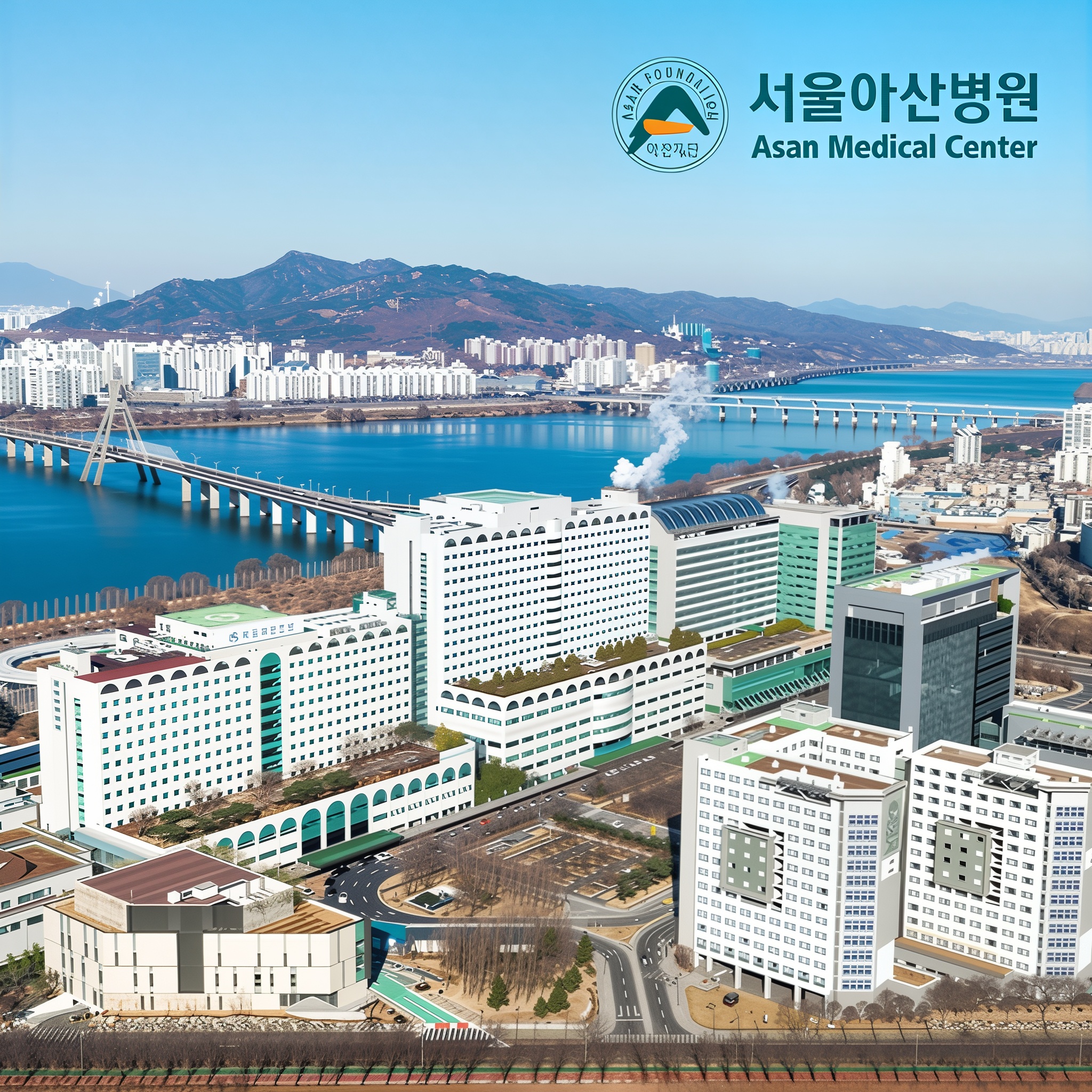
Seoul Asan Hospital
General hospital
South Korea is widely recognized for its strong preventive healthcare and screening culture. The country runs a nationwide health screening program for eligible National Health Insurance Service (NHIS) members, with regular checkup intervals (generally every two years, and annually for some non-office workers).
For international visitors, many major hospitals and dedicated screening centers offer comprehensive “body checkup” packages designed for convenience, speed, and thorough evaluation—often enabling multiple tests to be completed within a single day, depending on the selected program.
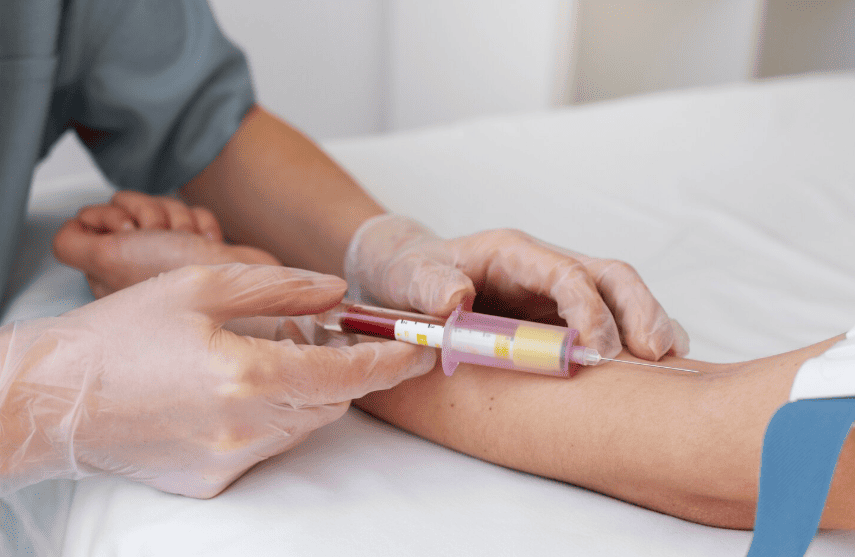
Basic Health Screening is an essential medical examination that provides a general overview of your health status. This includes fundamental tests such as blood work, urine analysis, chest X-ray, and physical examination to assess basic body functions.
These procedures serve as a foundation for monitoring overall health and detecting common conditions early. Basic health screening addresses concerns such as anemia, diabetes, high cholesterol, and basic organ function.
Complete blood count, Blood chemistry panel, Urinalysis, Chest X-ray, Blood pressure measurement
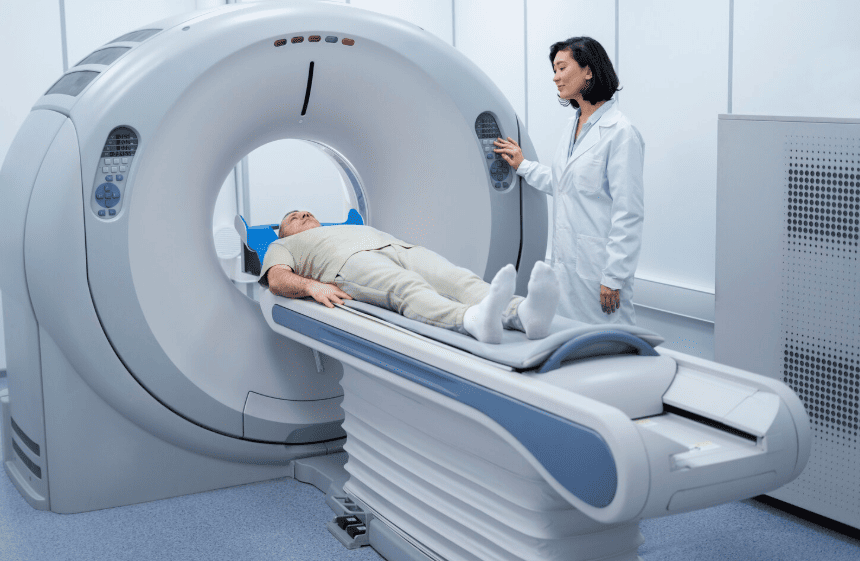
Comprehensive Full-Body Checkup is an in-depth medical examination that thoroughly evaluates all major organ systems. This includes advanced imaging, endoscopic procedures, and specialized tests to provide a complete picture of your health.
These procedures offer detailed insights into your body’s condition, detecting issues that basic screenings might miss. Comprehensive checkups address concerns such as hidden diseases, organ function abnormalities, and overall wellness assessment.
Abdominal ultrasound, Endoscopy, Colonoscopy, CT scans, Cardiac evaluation
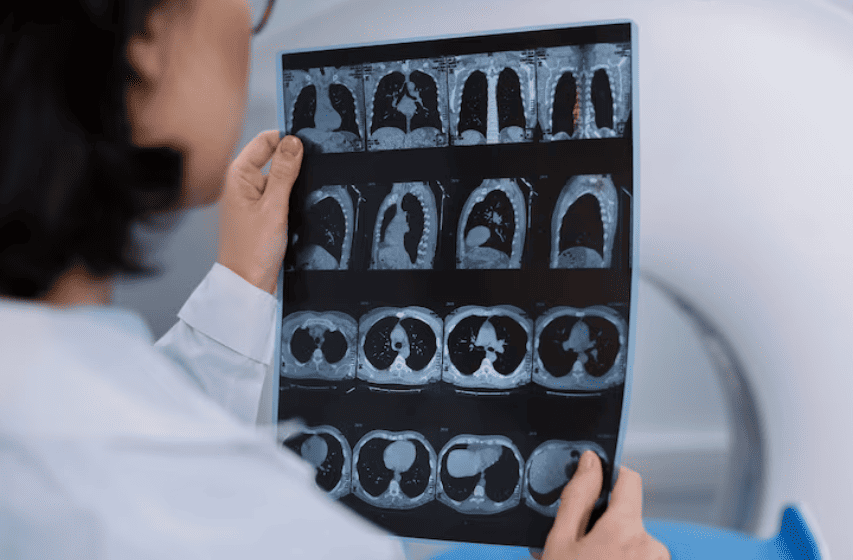
Cancer Screening is a specialized examination focused on early detection of various types of cancer. This includes tumor marker blood tests, advanced imaging, and endoscopic examinations targeting high-risk cancer types.
These procedures are designed to detect cancer at its earliest, most treatable stages. Cancer screening addresses concerns such as lung, stomach, colorectal, liver, thyroid, breast, and cervical cancers.
Tumor marker tests, Low-dose chest CT, Upper endoscopy, Colonoscopy, Mammography, Thyroid ultrasound

Cardiovascular Screening is a specialized checkup that evaluates heart health and assesses risk factors for heart disease and stroke. This includes cardiac imaging, stress testing, and blood tests to measure cardiovascular risk markers.
These procedures help identify potential heart problems before they become serious. Cardiovascular screening addresses concerns such as coronary artery disease, arrhythmia, atherosclerosis, and stroke risk.
Echocardiogram, Cardiac CT, Carotid ultrasound, Treadmill stress test, Lipid profile
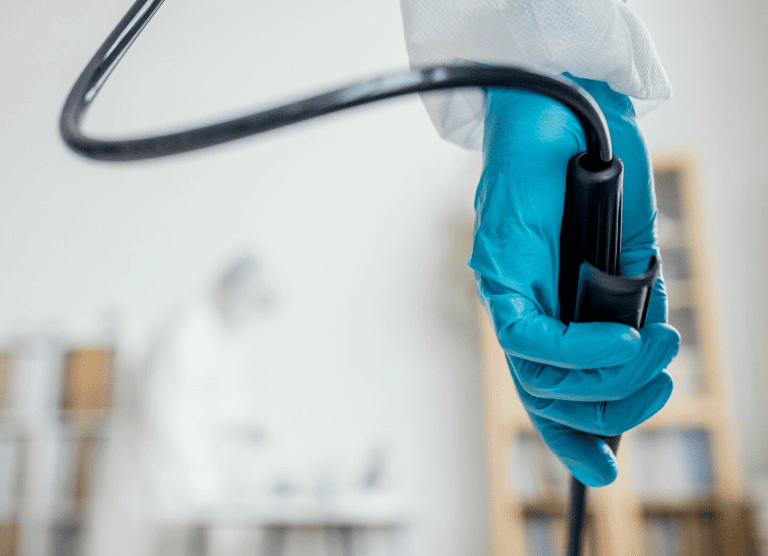
Digestive System Screening is a focused examination that evaluates the health of the gastrointestinal tract, liver, and related organs. This includes endoscopic procedures and imaging to detect abnormalities in the digestive system.
These procedures provide a detailed assessment of digestive health and detect conditions early. Digestive system screening addresses concerns such as gastritis, ulcers, polyps, fatty liver, and gastrointestinal cancers.
Upper endoscopy, Colonoscopy, Abdominal ultrasound, H. pylori test, Liver function test

Women’s Health Screening is a gender-specific checkup designed to address health concerns unique to women. This includes breast examinations, gynecological assessments, and hormone testing tailored to different life stages.
These procedures focus on early detection of women-specific conditions and overall reproductive health. Women’s health screening addresses concerns such as breast cancer, cervical cancer, ovarian conditions, and hormonal imbalances.
Mammography, Breast ultrasound, Pap smear, HPV test, Pelvic ultrasound, Bone density test
General hospital
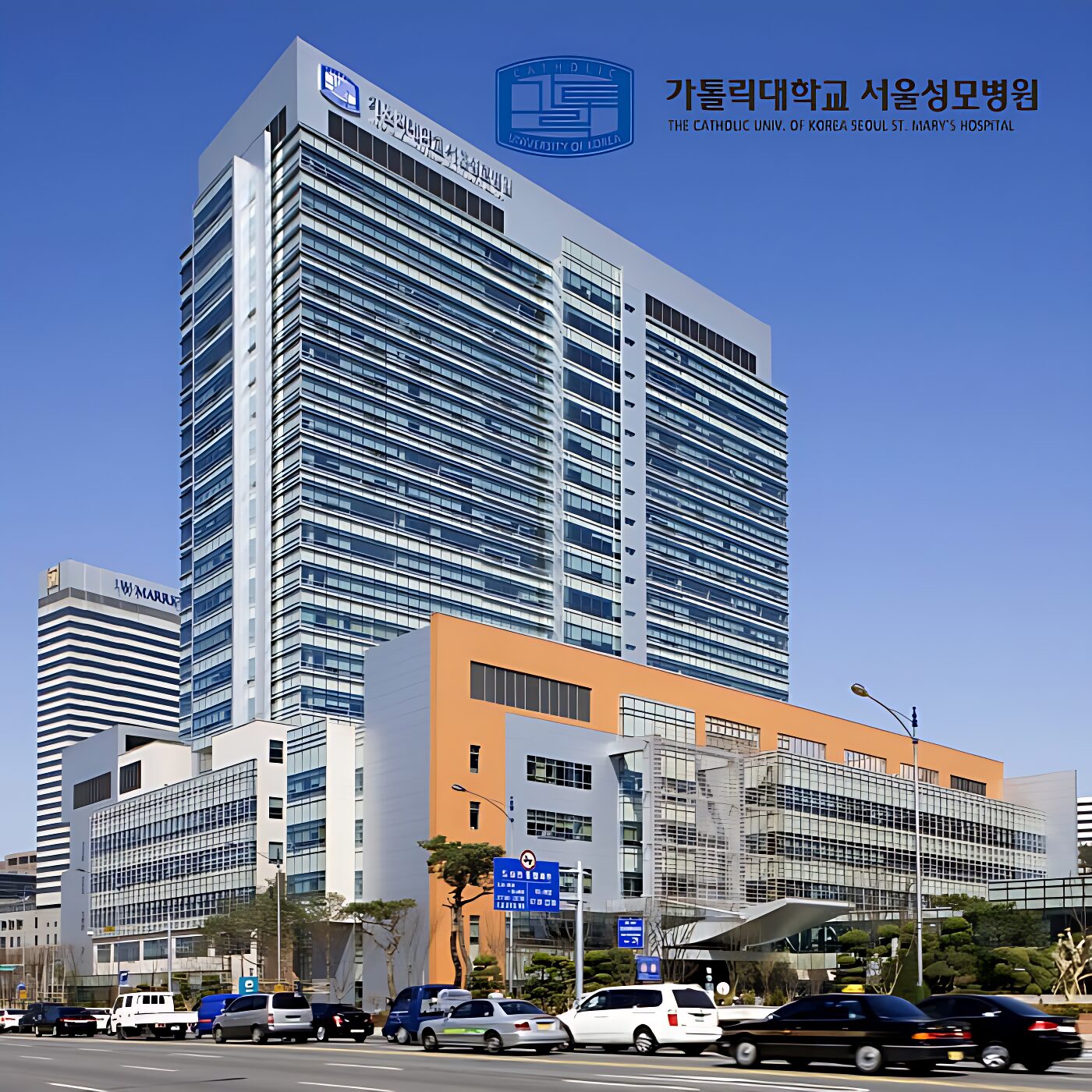
General hospital
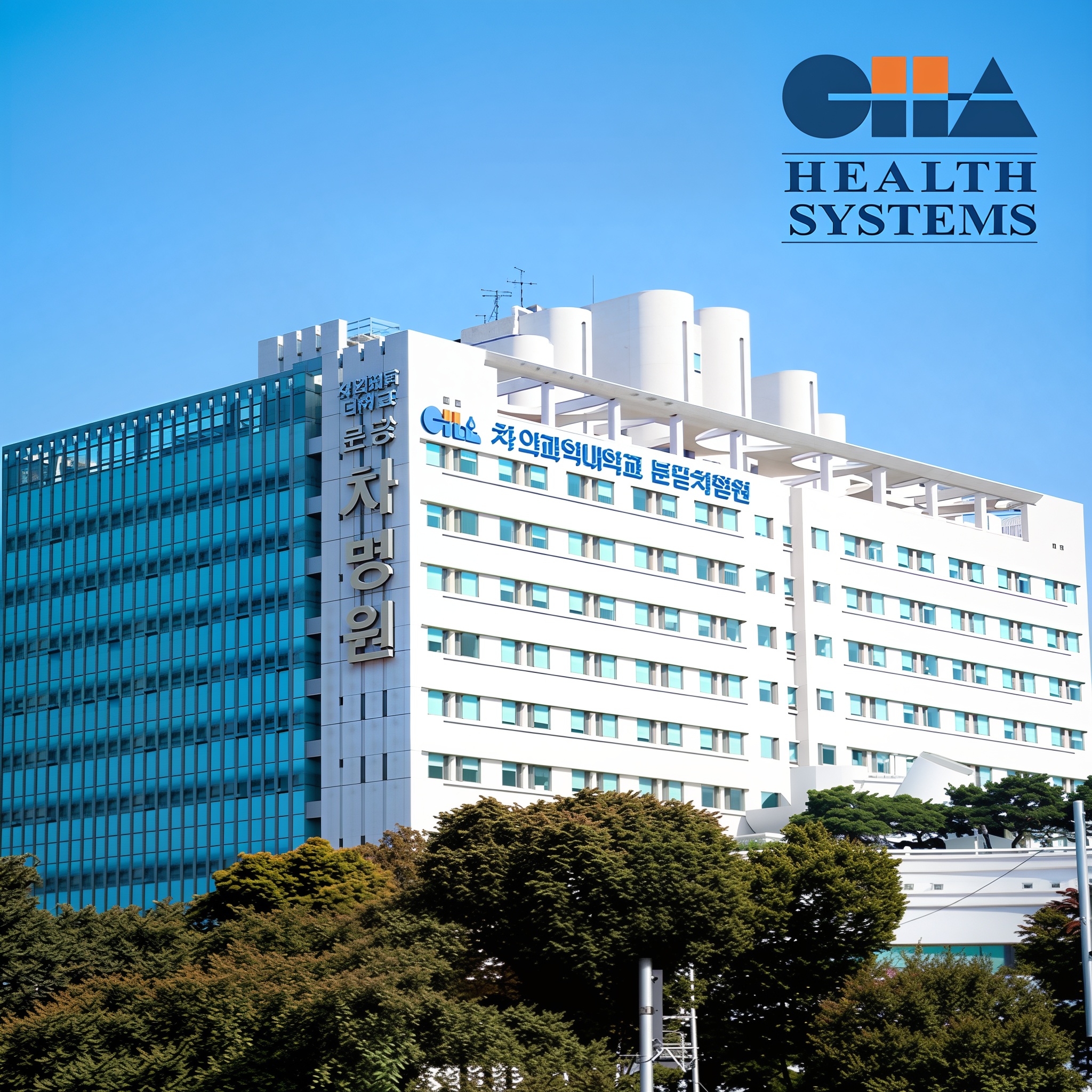
Women’s health, General hospital
Basic health screening includes fundamental tests such as blood work, urine analysis, and chest X-ray, providing a general health overview. Comprehensive full-body checkups add advanced imaging (CT, MRI), endoscopy, colonoscopy, and specialized tests for a thorough evaluation of all major organ systems. The choice depends on your age, health concerns, and screening goals.
For healthy adults under 40, a basic checkup every 1-2 years is generally recommended. Adults over 40 should consider annual comprehensive screenings. Those with risk factors such as family history of cancer, chronic conditions, or lifestyle factors (smoking, obesity) may benefit from more frequent or specialized screenings.
Yes, fasting for 8-12 hours is required for most checkup packages to ensure accurate blood test results. Water is usually permitted. If your checkup includes endoscopy or colonoscopy, additional preparation instructions will be provided, such as dietary restrictions or bowel preparation.
Cancer screening packages in Korea can detect stomach cancer, colorectal cancer, lung cancer, liver cancer, thyroid cancer, breast cancer (women), cervical cancer (women), and prostate cancer (men). Advanced packages using PET-CT can detect cancer cells throughout the entire body.
Basic test results are often available on the same day or next day. Comprehensive results, including specialist interpretations and detailed reports, are typically ready within 3-7 business days. English-language reports are provided for international patients, and results can be sent via email or international mail.
Contact MEDIWIN