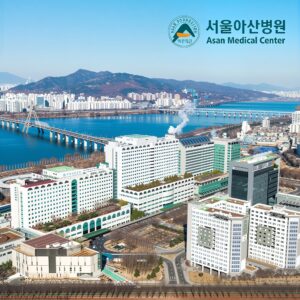
Seoul Asan Hospital
General hospital

Korea’s general hospitals provide comprehensive, multi-department medical care—from outpatient specialist visits and advanced diagnostics to inpatient treatment, surgery, and emergency services. Under Korea’s Medical Service Act, a “general hospital” is a hospital with 100+ beds and required clinical departments; larger general hospitals (e.g., 300+ beds) must operate an even broader set of departments.
Many large institutions are university-affiliated and function as major referral centers. In Korea’s healthcare delivery system, “tertiary general hospitals” typically serve more complex cases and, for insured patients, may require a referral slip—though international visitors usually access care through self-pay international programs and appointments.

Emergency Medicine is a medical specialty focused on the immediate assessment and treatment of acute illnesses and injuries. This includes 24/7 emergency care for life-threatening conditions, trauma, and urgent medical situations requiring rapid intervention.
These services provide critical care when every second counts, stabilizing patients and coordinating further treatment. Emergency medicine addresses concerns such as heart attacks, strokes, severe injuries, breathing difficulties, and acute infections.
Trauma resuscitation, Cardiac emergency care, Airway management, Emergency surgery, Critical care stabilization

Internal Medicine is a medical specialty focused on the prevention, diagnosis, and treatment of adult diseases affecting internal organs. This includes comprehensive care for complex, chronic, and multi-system conditions.
These services provide holistic management of adult health through accurate diagnosis and evidence-based treatment. Internal medicine addresses concerns such as diabetes, hypertension, respiratory diseases, digestive disorders, and infectious diseases.
Comprehensive diagnosis, Chronic disease management, Medication therapy, Health screening, Specialist referral coordination

Obstetrics & Gynecology is a medical specialty dedicated to women’s reproductive health, pregnancy care, and childbirth. This includes prenatal care, delivery services, gynecological surgeries, and treatment of female reproductive conditions.
These services support women through all stages of reproductive life, from adolescence to menopause. Obstetrics & gynecology addresses concerns such as pregnancy management, infertility, menstrual disorders, ovarian cysts, and gynecological cancers.
Prenatal care, Normal and cesarean delivery, Hysteroscopy, Laparoscopic gynecologic surgery, Fertility treatment

Pediatrics is a medical specialty focused on the health and medical care of infants, children, and adolescents. This includes preventive care, developmental monitoring, and treatment of childhood diseases and conditions.
These services ensure healthy growth and development from birth through adolescence. Pediatrics addresses concerns such as childhood infections, growth disorders, developmental delays, allergies, and congenital conditions.
Well-child checkups, Vaccination, Developmental assessment, Pediatric emergency care, Childhood disease treatment

Orthopedics is a medical specialty focused on the diagnosis and treatment of musculoskeletal conditions affecting bones, joints, muscles, ligaments, and tendons. This includes both surgical and non-surgical approaches to restore mobility and function.
These procedures repair and strengthen the musculoskeletal system to improve movement and quality of life. Orthopedics addresses concerns such as fractures, arthritis, sports injuries, spine disorders, and joint degeneration.
Joint replacement, Fracture fixation, Arthroscopic surgery, Spine surgery, Sports injury repair
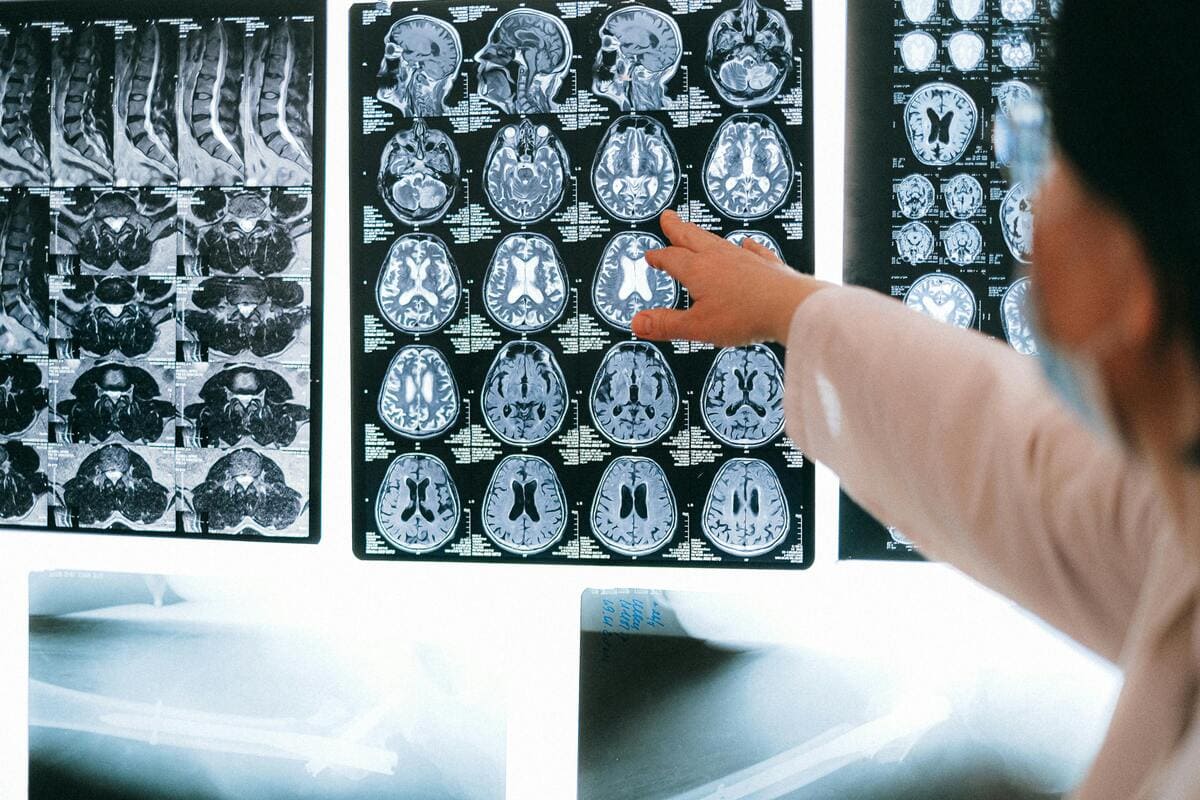
Neurology & Neurosurgery is a medical specialty focused on disorders of the brain, spinal cord, and nervous system. This includes medical management of neurological conditions and surgical treatment of brain and spine disorders.
These services diagnose and treat complex conditions affecting the nervous system. Neurology & neurosurgery addresses concerns such as stroke, epilepsy, Parkinson’s disease, brain tumors, and spinal cord injuries.
Brain tumor surgery, Stroke treatment, Epilepsy management, Deep brain stimulation, Spinal cord surgery
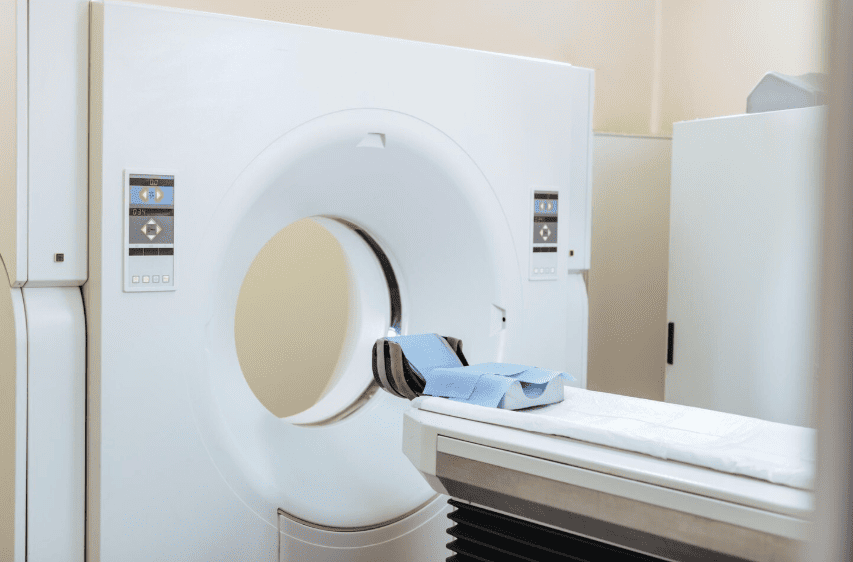
Oncology is a medical specialty dedicated to the diagnosis, treatment, and management of cancer. This includes chemotherapy, targeted therapy, immunotherapy, and coordinated multidisciplinary care for all types of cancer.
These services provide comprehensive cancer care from diagnosis through survivorship. Oncology addresses concerns such as solid tumors, blood cancers, metastatic disease, and cancer prevention.
Chemotherapy, Immunotherapy, Targeted therapy, Cancer staging, Multidisciplinary tumor board consultation

Urology is a medical specialty focused on diseases of the urinary tract and male reproductive system. This includes both medical and surgical treatment of conditions affecting the kidneys, bladder, prostate, and reproductive organs.
These procedures restore urinary function and address male reproductive health concerns. Urology addresses concerns such as kidney stones, prostate conditions, urinary incontinence, bladder disorders, and male infertility.
Prostate surgery, Kidney stone removal, Bladder surgery, Vasectomy, Robotic urologic surgery

Rehabilitation Medicine is a medical specialty focused on restoring function and improving quality of life for patients with physical impairments or disabilities. This includes comprehensive rehabilitation programs combining physical therapy, occupational therapy, and specialized medical care.
These services help patients recover from illness, injury, or surgery to regain maximum independence. Rehabilitation medicine addresses concerns such as post-stroke recovery, spinal cord injuries, traumatic brain injuries, and post-surgical rehabilitation.
Physical therapy, Occupational therapy, Speech therapy, Pain management, Functional assessment
General hospital
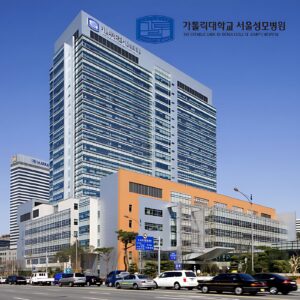
General hospital

Women’s health, General hospital
General hospitals offer comprehensive medical services across multiple departments, including emergency care, surgery, and inpatient treatment. Specialized clinics focus on specific areas such as dermatology or dental care. For complex conditions requiring multidisciplinary care or hospitalization, a general hospital is recommended.
Yes, major general hospitals in Korea have dedicated international patient centers that assist with admission, treatment coordination, interpretation, and insurance documentation. Many hospitals offer private rooms and VIP services for international patients seeking inpatient care.
If you’re unsure which department to visit, start with Internal Medicine for general health concerns or contact the hospital’s international patient center for guidance. They can review your symptoms and medical records to direct you to the appropriate specialist.
Korea is recognized globally for advanced cancer treatment, offering the latest chemotherapy, immunotherapy, targeted therapy, and precision medicine. Multidisciplinary tumor boards coordinate personalized treatment plans, and Korea has high survival rates for many cancer types.
Yes, many international patients visit Korean hospitals for second opinions on complex diagnoses or treatment plans. Hospitals can review your existing medical records, imaging, and pathology slides to provide expert consultations and alternative treatment recommendations.
Contact MEDIWIN