
Jaseng Hospital
Korean medicine

Korean medicine, often referred to as “Hanbang” in Korea, is a traditional healing system that has been practiced for thousands of years. Known for its holistic approach, Korean medicine focuses on restoring balance and harmony within the body and mind, using natural methods and remedies. This time-honored practice combines elements of acupuncture, herbal medicine, cupping, moxibustion, and dietary therapy to address a wide range of health conditions.
One of the core principles of Korean medicine is the belief in the interconnectedness of the body, mind, and spirit. It emphasizes the importance of maintaining balance in all aspects of life to prevent illness and promote overall well-being. Korean medicine practitioners aim to identify the root causes of health issues rather than merely treating the symptoms. By addressing underlying imbalances, they help patients achieve lasting healing and vitality.
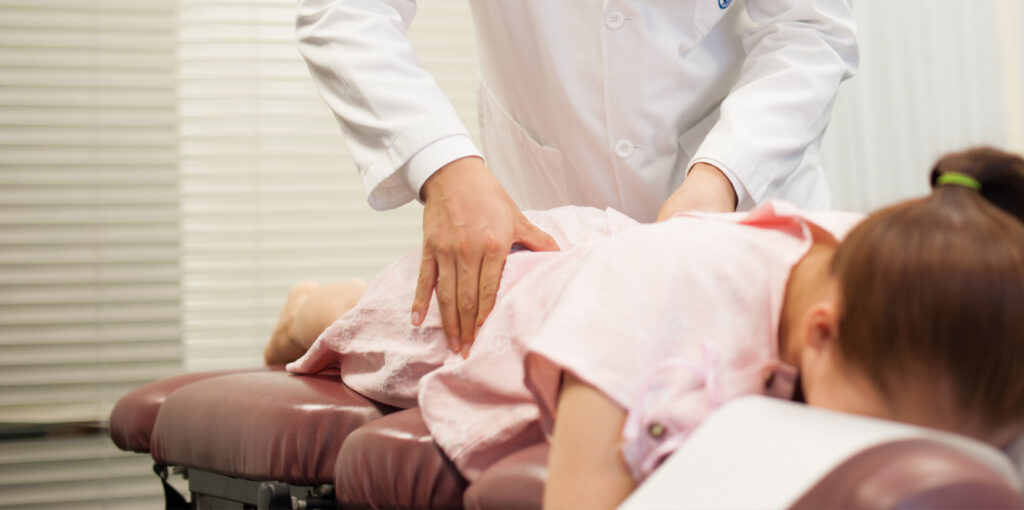
Chuna Manipulation is a traditional Korean manual therapy that uses hands-on techniques to correct misalignments in the musculoskeletal system. This includes spinal adjustments, joint mobilization, and soft tissue manipulation to restore structural balance.
These procedures aim to realign the body’s framework and improve overall function through gentle yet effective manipulation techniques. Chuna manipulation addresses concerns such as spinal misalignment, chronic pain, and postural imbalances.
Spinal adjustment, Pelvic correction, Joint mobilization, Soft tissue release
Improved posture, reduced musculoskeletal pain, enhanced mobility
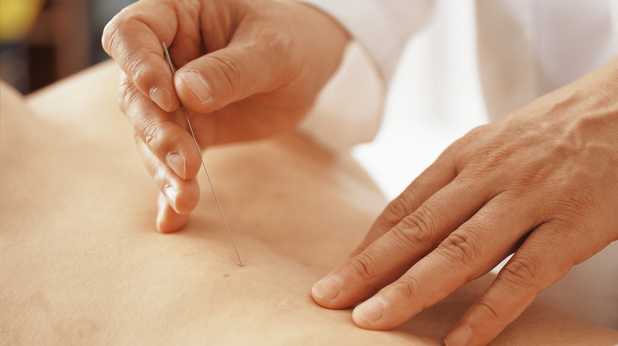
Acupuncture is a core practice of Korean Medicine that involves inserting thin needles into specific points on the body to stimulate energy flow and promote healing. This includes treatments for pain management, stress relief, and various chronic conditions.
These procedures are based on the principle of balancing the body’s vital energy (Qi) to restore health and well-being. Acupuncture addresses concerns such as chronic pain, digestive issues, anxiety, and sleep disorders.
Body acupuncture, Electroacupuncture, Auricular acupuncture, Pharmacopuncture
Natural pain relief, reduced stress, improved energy balance
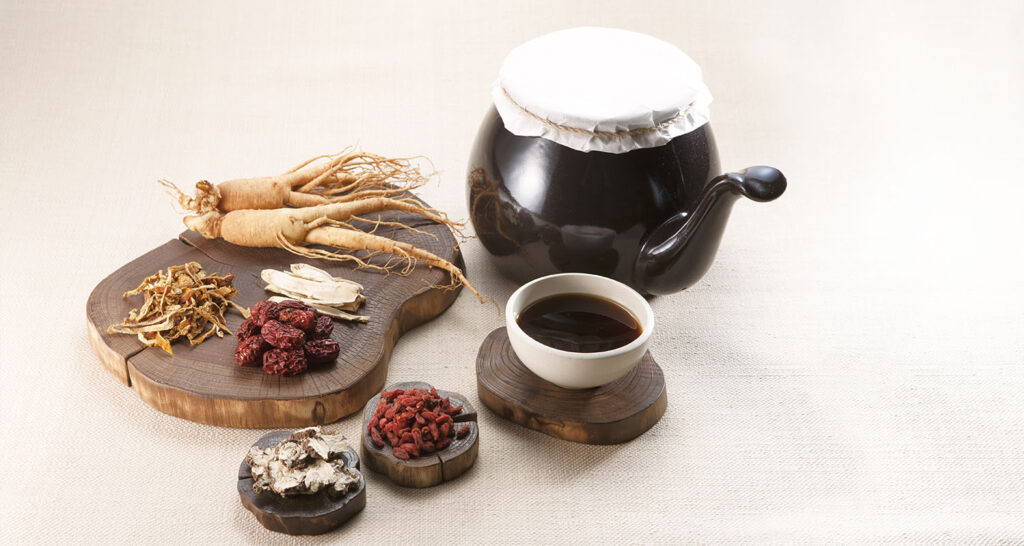
Herbal Medicine is a fundamental component of Korean Medicine that uses customized formulations of natural herbs to treat various health conditions. This includes personalized prescriptions based on individual constitution, symptoms, and overall health assessment.
These treatments work holistically to address the root cause of illness rather than merely treating symptoms. Herbal medicine addresses concerns such as digestive disorders, immune deficiencies, hormonal imbalances, and chronic fatigue.
Constitutional diagnosis, Customized herbal prescriptions, Herbal decoctions, Herbal supplements
Holistic treatment approach, personalized formulations, minimal side effects

Physical Therapy in Korean Medicine combines traditional techniques with modern rehabilitation methods to restore physical function and relieve pain. This includes cupping, moxibustion, heat therapy, and therapeutic exercises tailored to individual needs.
These procedures promote natural healing by improving circulation, reducing inflammation, and strengthening the body’s recovery capacity. Physical therapy addresses concerns such as muscle tension, joint stiffness, injury recovery, and chronic pain conditions.
Cupping therapy, Moxibustion, Infrared heat therapy, Therapeutic massage
Enhanced circulation, accelerated recovery, reduced muscle tension
Korean medicine
Korean medicine, or Hanbang, is a traditional healing system that focuses on restoring balance in the body and mind. It utilizes a combination of methods like acupuncture, herbal medicine, cupping, moxibustion, and dietary therapy to promote overall health and address specific conditions. It aims to treat the root causes of illness rather than just the symptoms.
Yes, when practiced by qualified professionals, Korean medicine is considered safe. Practitioners are trained in both traditional methods and modern safety standards. However, as with any form of treatment, it is important to consult with a licensed practitioner who can assess your individual health condition and provide appropriate guidance.
Korean medicine is used to treat a wide range of conditions, including:
Chronic pain (e.g., back pain, arthritis)
Digestive issues (e.g., indigestion, bloating)
Respiratory problems (e.g., asthma, coughs)
Stress and anxiety
Skin conditions (e.g., eczema, acne)
Insomnia
Hormonal imbalances
Fatigue and weakness
Cupping therapy involves placing suction cups on the skin, creating a vacuum that helps increase blood flow and improve circulation. It is thought to aid in relieving muscle tension, detoxifying the body, reducing inflammation, and promoting relaxation. It’s commonly used for pain relief and respiratory issues.
Yes, Korean medicine can complement conventional treatments. Many people use Korean medicine alongside Western medicine to enhance their overall well-being. However, it’s important to inform both your Korean medicine practitioner and your conventional doctor about any treatments you are undergoing to ensure there are no conflicts.
Contact MEDIWIN