
Saint Mary’s JIN eye Center
Ophthalmology

South Korea is often referred to as the “plastic surgery capital of the world”, with over a million procedures performed annually. The country is home to some of the most skilled and experienced plastic surgeons, many of whom have gained international recognition. Clinics and hospitals in Korea are equipped with state-of-the-art facilities, ensuring that patients receive the highest quality of care.
One of the reasons why Korean plastic surgery is so renowned is the emphasis on enhancing a patient’s natural features rather than making drastic changes. This approach, commonly known as “Korean-style plastic surgery”, focuses on subtle and harmonious improvements, allowing patients to look more refreshed and rejuvenated while still maintaining their unique appearance.
Popular procedures like blepharoplasty (double eyelid surgery), rhinoplasty (nose job), and jawline contouring are specifically tailored to emphasize natural beauty. These procedures have earned Korea a reputation for producing balanced, beautiful results that enhance one’s features without over-altering them.
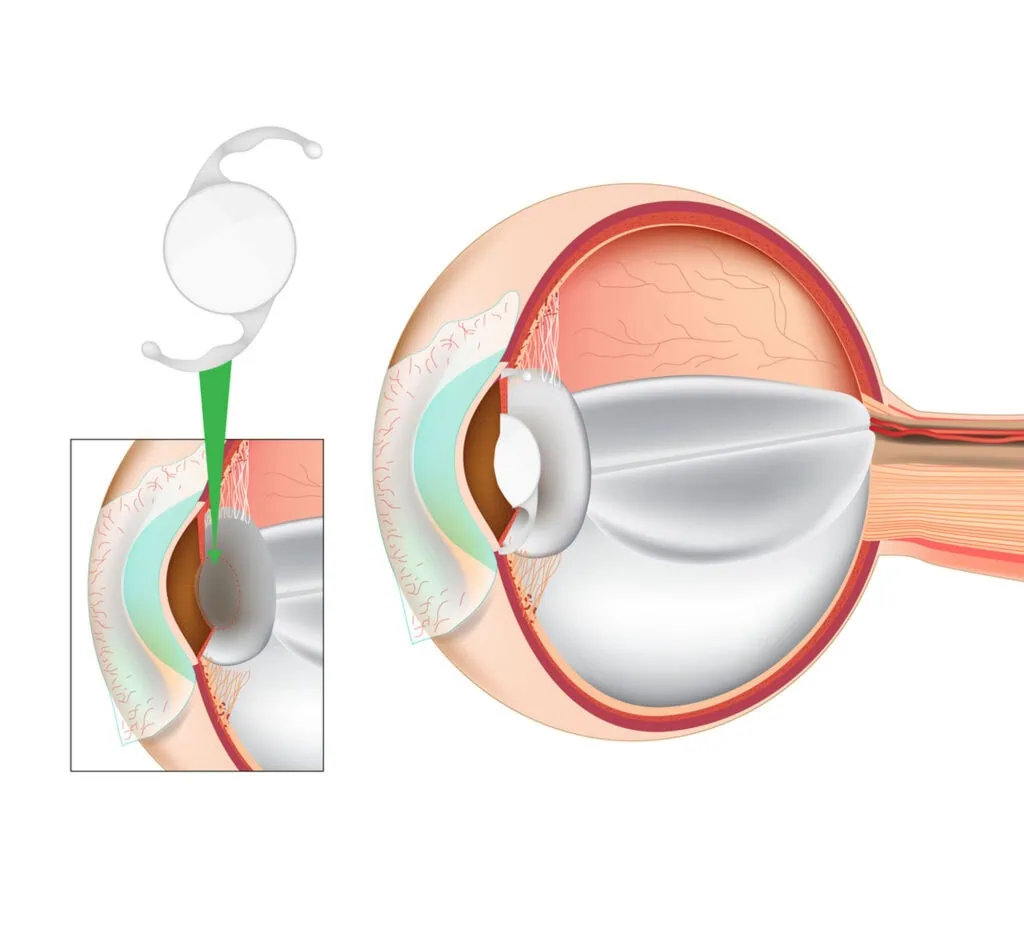
Cataract Surgery is an ophthalmic procedure that removes the clouded natural lens and replaces it with an artificial intraocular lens (IOL). This is the most common and effective treatment for cataracts, which cause blurry vision due to lens opacity.
These procedures restore clear vision by replacing the damaged lens with a transparent artificial one. Cataract surgery addresses concerns such as cloudy vision, glare sensitivity, and difficulty seeing at night.
Phacoemulsification, Extracapsular cataract extraction, Multifocal IOL implantation
Restored clear vision, quick recovery, improved quality of life

LASIK (Laser-Assisted In Situ Keratomileusis) is a refractive eye surgery that reshapes the cornea using a laser to correct vision problems. This procedure is designed for patients with myopia, hyperopia, and astigmatism who want to reduce dependence on glasses or contact lenses.
These procedures use precise laser technology to permanently reshape the cornea for clearer vision. LASIK addresses concerns such as nearsightedness, farsightedness, and blurred vision.
Wavefront-guided LASIK, Bladeless LASIK, Custom LASIK
Rapid visual recovery, minimal discomfort, long-lasting results

LASEK (Laser-Assisted Subepithelial Keratectomy) is a refractive surgery that corrects vision by reshaping the cornea after gently moving the outer epithelial layer. This procedure is ideal for patients with thin corneas who may not be suitable candidates for LASIK.
These procedures offer a safer alternative for patients with corneal limitations while still achieving excellent visual outcomes. LASEK addresses concerns such as myopia, hyperopia, and astigmatism in patients unsuitable for LASIK.
Surface ablation, Epi-LASEK, Advanced surface ablation (ASA)
Suitable for thin corneas, no flap-related complications, stable long-term results

Implantable Contact Lens (ICL) surgery is a refractive procedure that inserts a permanent lens inside the eye to correct vision. This procedure is designed for patients with high degrees of myopia or thin corneas who are not ideal candidates for laser surgery.
These procedures provide an alternative to laser vision correction by adding a lens rather than reshaping the cornea. ICL surgery addresses concerns such as severe nearsightedness, thin corneas, and dry eye sensitivity.
Visian ICL, EVO ICL, Toric ICL for astigmatism
Reversible procedure, excellent visual quality, suitable for high myopia
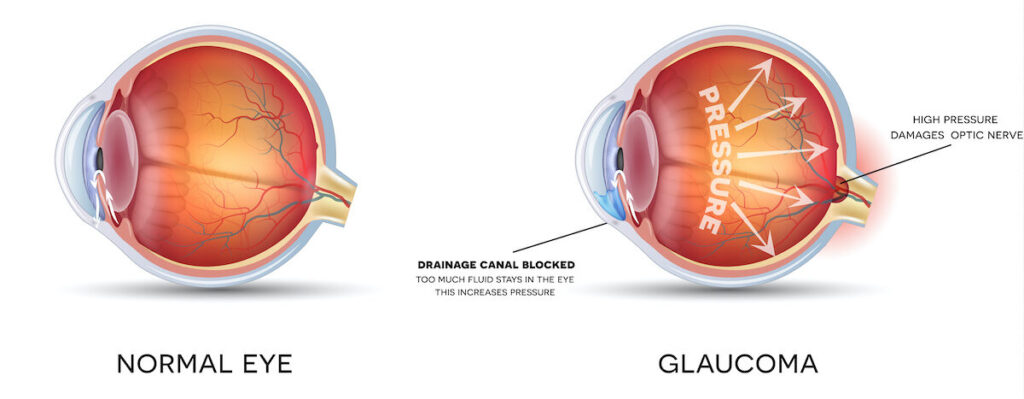
Glaucoma Treatment encompasses medical and surgical procedures aimed at reducing intraocular pressure to prevent optic nerve damage. This includes medications, laser therapy, and surgical interventions for managing this progressive eye condition.
These procedures help preserve vision by controlling eye pressure and protecting the optic nerve from further damage. Glaucoma treatment addresses concerns such as elevated eye pressure, peripheral vision loss, and optic nerve deterioration.
Laser trabeculoplasty, Trabeculectomy, Glaucoma drainage implants, Minimally invasive glaucoma surgery (MIGS)
Preserved vision, controlled eye pressure, slowed disease progression

Macular Degeneration Treatment includes therapies designed to slow the progression of age-related macular degeneration (AMD) and preserve central vision. This encompasses anti-VEGF injections, laser therapy, and photodynamic therapy for both wet and dry AMD.
These procedures target abnormal blood vessel growth and retinal damage to maintain visual function. Macular degeneration treatment addresses concerns such as central vision loss, distorted vision, and difficulty reading or recognizing faces.
Anti-VEGF injections, Photodynamic therapy (PDT), Laser photocoagulation
Slowed disease progression, preserved central vision, improved visual stability
Ophthalmology
Glaucoma cannot be cured, but it can be controlled and managed effectively with treatment. The goal of treatment is to lower intraocular pressure to prevent further damage to the optic nerve. Early diagnosis and consistent management are critical in preventing vision loss.
While macular degeneration cannot be completely prevented, lifestyle factors such as maintaining a healthy diet rich in antioxidants, avoiding smoking, protecting the eyes from excessive sunlight, and regular eye exams can help slow its progression and reduce the risk of developing the condition.
The benefits of LASIK surgery include quick recovery, minimal discomfort, and the potential for a significant reduction in the need for corrective eyewear. Risks include dry eyes, visual disturbances (like glare or halos), and the possibility that the procedure may not completely eliminate the need for glasses. A thorough consultation with an ophthalmologist is recommended to assess suitability.
Cataracts are usually caused by aging, but they can also result from injury, certain medications (like steroids), or underlying health conditions like diabetes. Though cataracts can’t be prevented, managing risk factors (such as maintaining a healthy lifestyle and protecting the eyes from UV radiation) can delay their onset.
Retinal detachment occurs when the retina separates from the back of the eye, which can cause a sudden loss of vision and is considered a medical emergency. Macular degeneration, on the other hand, is a slow, progressive disease that affects the central vision due to damage to the macula. Retinal detachment typically requires immediate surgery, while macular degeneration is managed with lifestyle changes, medications, or laser therapy.
Contact MEDIWIN