

Samsung Medical Center
Samsung Medical Center, Seoul — rumah sakit universitas tersier dan rumah sakit mitra MEDIWIN dengan perjanjian rujukan pasien resmi.
Cari biaya transplantasi hati atau pengobatan kanker di Korea, dan Anda akan menemukan banyak halaman berisi tabel harga yang tampak meyakinkan. Sebagian besar diterbitkan oleh situs perbandingan yang tidak memiliki kontrak dengan rumah sakit Korea mana pun dan tidak memiliki akses ke daftar harganya. Angka itu adalah perkiraan yang dirangkai dari potongan informasi publik, dan dibuat untuk menangkap pertanyaan Anda lalu menjualnya kembali — sering kali ke rumah sakit di negara lain. Nomor registrasi fasilitator MEDIWIN adalah A-2022-01-01-4465, diterbitkan oleh Pemerintah Metropolitan Seoul dan berlaku hingga 29 Juni 2028 — Anda dapat meminta nomor ini dari agensi Korea mana pun dan memeriksanya.
MEDIWIN adalah fasilitator yang terdaftar pada pemerintah Korea dengan perjanjian rujukan bersama Samsung Medical Center, Asan Medical Center, dan Seoul St. Mary’s Hospital. Justru karena kami bekerja sama dengan rumah sakit-rumah sakit ini, kami tidak akan menerbitkan harga tetap untuk operasi Anda. Hanya rumah sakit yang dapat menerbitkan estimasi biaya, dan itu hanya dapat dilakukan setelah dokter rumah sakit meninjau rekam medis Anda.
Yang dapat kami lakukan adalah menjelaskan dengan jujur apa saja komponen tagihan dan apa yang memengaruhinya, sehingga ketika estimasi tertulis tiba, Anda dapat memahaminya.
1. Pemeriksaan diagnostik. Rumah sakit Korea mengulang pencitraan dan patologi alih-alih mengandalkan laporan dari luar, terutama sebelum operasi. Ini bukan penambahan biaya yang tidak perlu — kesalahan penentuan stadium adalah alasan paling umum rencana pengobatan berubah setelah pasien tiba. Perkirakan PET-CT, MRI, biopsi, dan pemeriksaan laboratorium pada hari-hari pertama.
2. Prosedurnya sendiri. Pos tunggal terbesar. Ditentukan oleh jenis operasi yang dipilih, apakah terbuka, laparoskopi, atau robotik, serta lamanya waktu di ruang operasi.
3. Rawat inap. Jenis kamar, tingkat perawatan, dan jumlah hari di ICU. Untuk transplantasi dan operasi kanker besar, ini merupakan porsi yang cukup besar dari total biaya, dan pos inilah yang paling terpengaruh oleh komplikasi.
4. Obat-obatan dan produk darah. Obat kemoterapi, imunosupresan setelah transplantasi, antimikroba, transfusi. Sebagian jauh lebih murah di Korea dibandingkan pasar Barat; sebagian lainnya tidak.
5. Biaya non-medis. Penerjemahan, akomodasi untuk keluarga pendamping, transportasi, dan biaya hidup selama masa tinggal yang sering kali panjang. Biaya ini ditagih terpisah dari rumah sakit dan sering diremehkan oleh pasien — untuk transplantasi, jumlahnya bisa mendekati biaya pengobatan yang lebih singkat.
6. Biaya fasilitasi. MEDIWIN mengenakan biaya koordinasi untuk penerjemahan, pengajuan, dan logistik. Biaya ini diinformasikan secara tertulis sebelum Anda memutuskan, dan tidak pernah ditambahkan ke tagihan medis Anda — pasien membayar langsung ke rumah sakit.
Stadium penyakit. Faktor tunggal terbesar. Penyakit stadium awal yang ditangani dengan satu operasi dan rawat inap singkat berada di satu ujung; penyakit stadium lanjut yang memerlukan pengobatan multimodal selama berbulan-bulan berada di ujung lainnya. Selisih keduanya bukan sekadar persentase — melainkan berlipat ganda.
Lama rawat inap. Rumah sakit tersier Korea akan menyebutkan lama rawat inap minimum ketika menerima suatu kasus. Komplikasi dapat memperpanjangnya, dan biaya harian tempat tidur ICU jauh melampaui penghematan apa pun di tempat lain.
Apakah transplantasi memerlukan donor hidup. Transplantasi donor hidup melibatkan dua operasi, dua rawat inap, dan dua rangkaian pemeriksaan. Evaluasi donor saja sudah merupakan biaya yang signifikan, dan dilakukan sebelum ada yang tahu apakah donor tersebut cocok.
Apa yang akan diganti oleh negara Anda. Beberapa sistem kesehatan nasional dan asuransi swasta mengganti sebagian biaya pengobatan di luar negeri; sebagian besar mensyaratkan persetujuan sebelum Anda berangkat. Hal ini sebaiknya diselesaikan sejak awal, dan merupakan pertanyaan untuk perusahaan asuransi Anda, bukan untuk kami.
Cara mendapatkan estimasi biaya pengobatan. Ajukan permintaan opini kedua dengan ringkasan singkat diagnosis dan kirim dokumen Anda ke mediwinkorea@gmail.com. Kami menerjemahkan dan menyerahkannya, lalu rumah sakit mengirimkan estimasi tertulis beserta opini medisnya. Tidak ada kewajiban untuk bepergian, dan estimasi tersebut berasal dari rumah sakit, bukan dari kami.
Untuk sebagian besar prosedur, biayanya jauh lebih rendah dibandingkan di Amerika Serikat. Dibandingkan Eropa Barat, selisihnya lebih kecil dan sangat bergantung pada apa yang akan ditanggung oleh sistem di negara Anda. Biaya jarang menjadi alasan terkuat memilih Korea untuk penyakit serius — volume operasi dan waktu tunggu biasanya lebih penting. Jika harga adalah satu-satunya pertimbangan Anda, ada destinasi lain yang lebih murah daripada Korea.
Karena bukan mereka yang harus menepatinya. Angka yang diterbitkan tanpa melihat rekam medis Anda adalah angka pemasaran. Rumah sakit yang telah meninjau hasil pencitraan dan patologi Anda dapat menerbitkan estimasi tertulis; situs web yang tidak meninjau apa pun tidak bisa. Tanyakan kepada setiap situs yang mencantumkan harga pasti, rumah sakit Korea mana yang terikat kontrak dengan harga tersebut.
Biaya fasilitator di Korea diatur. Kementerian Kesehatan dan Kesejahteraan menetapkan tarif maksimum berdasarkan jenis rumah sakit, dan batas untuk rumah sakit universitas tersier lebih rendah daripada untuk klinik. Secara terpisah, MEDIWIN mengenakan biaya koordinasi kepada pasien yang diinformasikan secara tertulis sebelumnya. Yang tidak pernah kami lakukan adalah menambahkan margin pada tagihan medis Anda — Anda membayar langsung ke rumah sakit, sesuai harga rumah sakit.
Tidak. Rumah sakit biasanya meminta deposit berdasarkan estimasi sebelum rawat inap dan menyelesaikan sisanya saat pasien pulang, karena angka akhir bergantung pada jalannya pengobatan yang sebenarnya. Rumah sakit mencantumkan ketentuannya sendiri dalam estimasi. Jangan pernah mengirim uang kepada agensi yang meminta Anda membayar biaya medis ke rekeningnya sendiri — biaya medis adalah hak rumah sakit.
Sampaikan hal itu sejak awal. Beberapa kasus memiliki jalur pengobatan yang lebih hemat dan tetap masuk akal secara medis, dan hal itu dapat ditanyakan kepada rumah sakit. Sebagian kasus tidak. Kami lebih memilih menyampaikannya dengan jelas pada tahap estimasi daripada Anda tiba di Korea lalu baru mengetahuinya. Kami tidak mengatur pembiayaan atau pinjaman.
Samsung Medical Center, Seoul — rumah sakit universitas tersier dan rumah sakit mitra MEDIWIN dengan perjanjian rujukan pasien resmi.
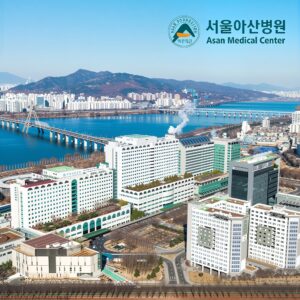
Rumah Sakit Umum
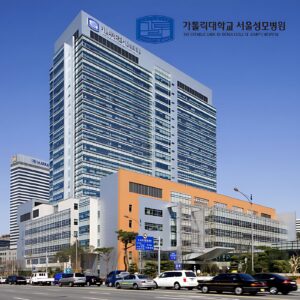
Rumah Sakit Umum
Kesehatan wanita, Rumah Sakit Umum
Hubungi MEDIWIN