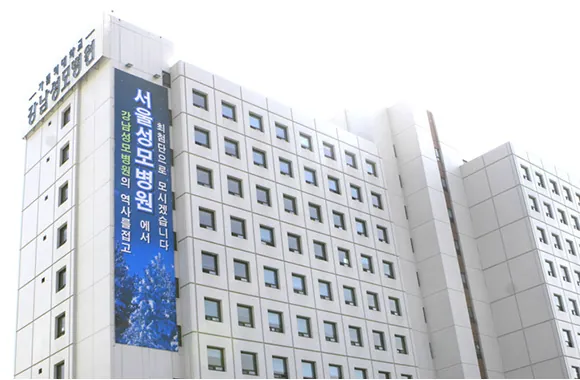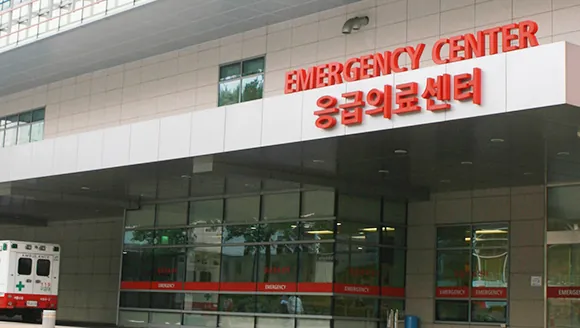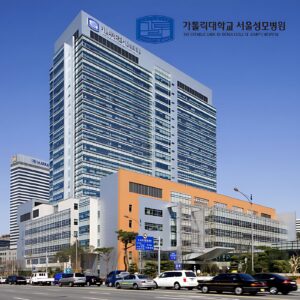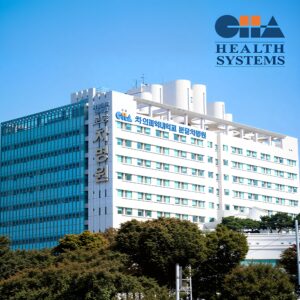

Seoul St. Mary's Hospital for International Patients

MEDIWIN Holds a Formal Referral Agreement with Seoul St. Mary's Hospital

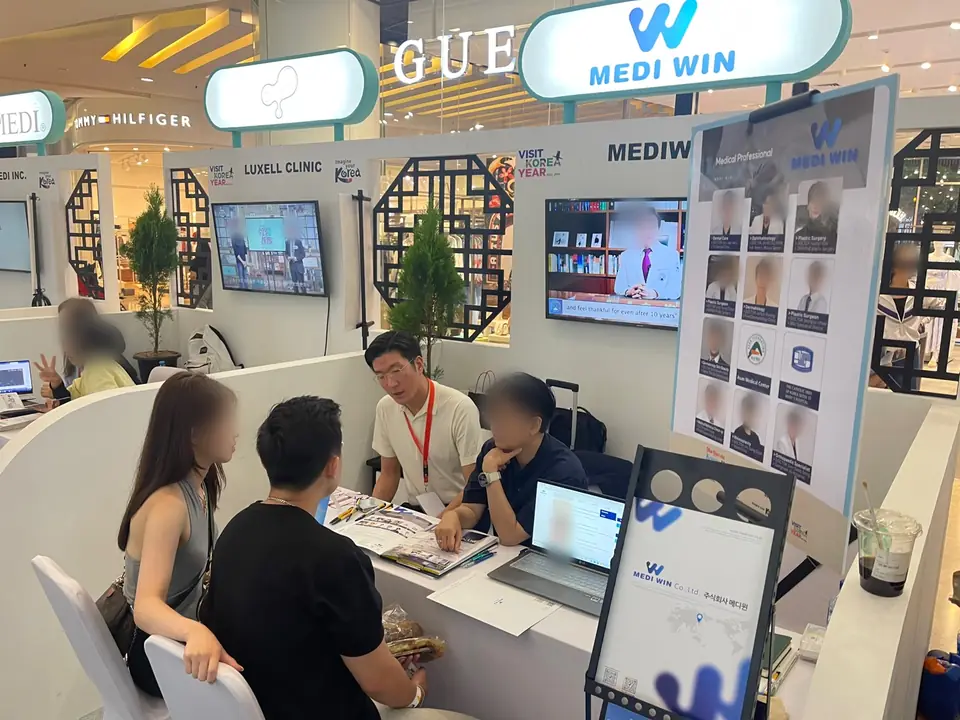
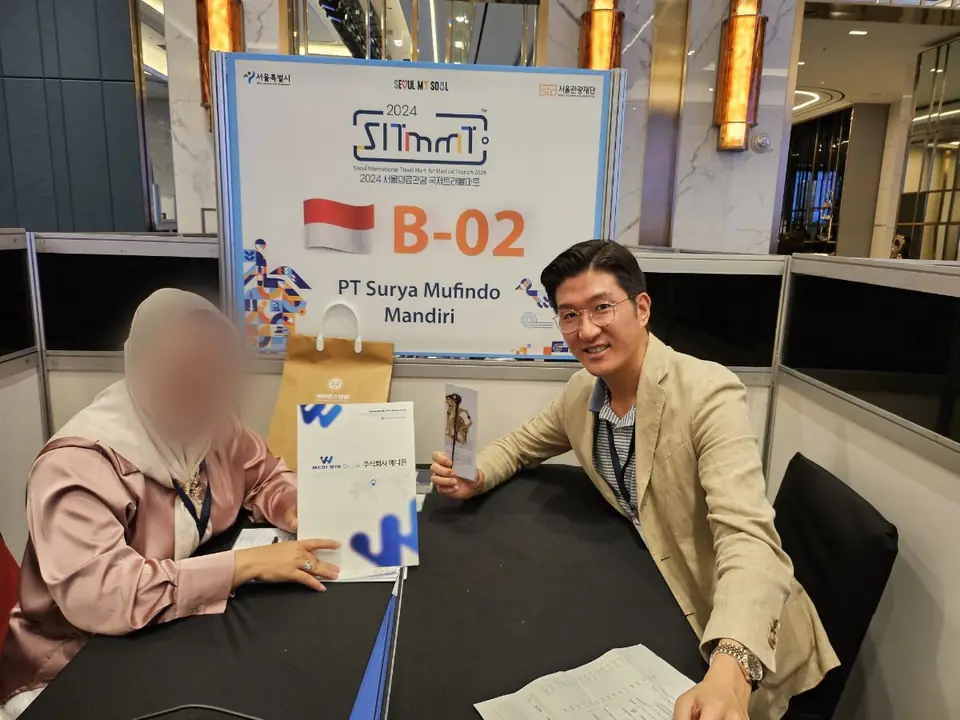
MEDIWIN is registered with the Korean government as a medical travel facilitator, and in 2024 we signed a formal patient-referral agreement with Seoul St. Mary’s Hospital. Under that agreement we submit international cases directly for medical review. MEDIWIN’s facilitator registration number is A-2022-01-01-4465, issued by the Seoul Metropolitan Government and valid to 29 June 2028 — you can ask any Korean agency for its number and check it.

Korea’s medical travel market has a genuine problem with unregistered brokers. A tertiary university hospital does not sign a referral agreement with one, which is why the question “which hospitals are you actually contracted with” is worth asking every agency you speak to.

Cases we have coordinated at Seoul St. Mary’s include blood cancer treatment and orbital fracture repair. Haematology in particular is a specialty where an overseas patient almost never gets through the door unaided — the case has to be presented to the right department in the right form.

Why Patients Travel to Seoul St. Mary's for Blood Disease

Stem cell transplantation. In December 2024 Seoul St. Mary’s Hospital became the first institution in Korea to reach 10,000 haematopoietic stem cell transplants. It performs more than 600 a year and operates the largest haematology centre in Asia.

What that number means. Stem cell transplantation is one of the clearest examples of a procedure where institutional volume changes outcomes. Donor matching, conditioning regimens, graft-versus-host disease management and infection control during the aplastic window are all handled better by teams that do this every week rather than a few times a year.

The specialties covered. Acute and chronic leukaemia, lymphoma, multiple myeloma, myelodysplastic syndrome, aplastic anaemia — including allogeneic, autologous and haploidentical transplantation where a fully matched donor is not available.

None of this is a statement about any individual case. Whether a transplant is appropriate, and whether the hospital can accept the patient, is decided by the treating physicians after they have reviewed the records.

How the Application Actually Works

1. Tell us the diagnosis. A short summary is enough to start — the diagnosis, when it was made, treatment given so far, and which country you are in. Please do not send medical records by ordinary email or through a chat window; neither is a secure channel.

2. We send a private secure link. A coordinator replies within one business day with a link for uploading records, imaging, pathology and — for haematology cases — bone marrow and cytogenetic reports.

3. Translation and submission. We translate the documents into Korean and submit them to Seoul St. Mary’s under our referral agreement. MEDIWIN never writes or edits medical opinion; every clinical judgement is the hospital physician’s.

4. The hospital answers. The department reviews the case and states whether it can accept the patient, what it proposes, and the minimum length of stay.

5. Estimate, visa, travel. The hospital issues a written cost estimate. We handle medical visa documentation, flights, accommodation and airport transfer — and for transplant cases, accommodation for the accompanying family, which is usually a long stay.

6. Treatment and follow-up. Interpretation throughout the admission, and remote follow-up after you return home.

Start with a second opinion request →

Frequently Asked Questions

Yes. Seoul St. Mary’s Hospital treats international patients, including for transplantation. Whether transplant is the right treatment, and whether a suitable donor can be found, are medical questions the hospital answers after reviewing the case — not something any agency can promise in advance.

Haploidentical transplantation — using a half-matched family donor such as a parent, child or sibling — has become standard practice at high-volume centres and is one of the reasons transplant is now offered to patients who would once have been told no donor was available. Whether it applies in a specific case is for the haematology team to determine.

Transplant is a long admission followed by a monitored outpatient period, and the total stay is usually measured in months rather than weeks. The hospital states the minimum length of stay when it accepts the case. We plan accommodation for the accompanying family around that figure, because for transplant patients a family member almost always has to remain in Korea throughout.

Only the hospital can answer, and only after the medical review. Transplant costs vary considerably with the conditioning regimen, donor type, length of admission and whether complications occur. You will receive a written estimate from the hospital before travelling. Patients pay the hospital directly — MEDIWIN adds nothing to the medical bill.

No. MEDIWIN’s service is for patients travelling from abroad. If you already live in Korea, you can approach the hospital directly through its normal outpatient channels.

CLINICS

Samsung Medical Center campus in Seoul, a MEDIWIN partner hospital ranked 3rd worldwide in oncology

Samsung Medical Center

Samsung Medical Center — ranked 3rd worldwide in oncology. A MEDIWIN partner hospital under a formal patient-referral agreement.